Peace Love Hug SVG: A Warm, Worn-In Valentine’s Design
As someone who’s stitched hundreds of designs for Etsy shops, boutique aprons, baby onesies, and custom sweatshirts—often under tight deadlines and higher expectations—I opened Peace Love Hug Svg, Valentine s Sign SVG with quiet curiosity. Not hype. Not hope. Just the instinct to ask: *Will this hold up in thread? Will it feel handmade—not mass-produced? And will my customer smile when they see it stitched on their tote bag or pillow cover?*
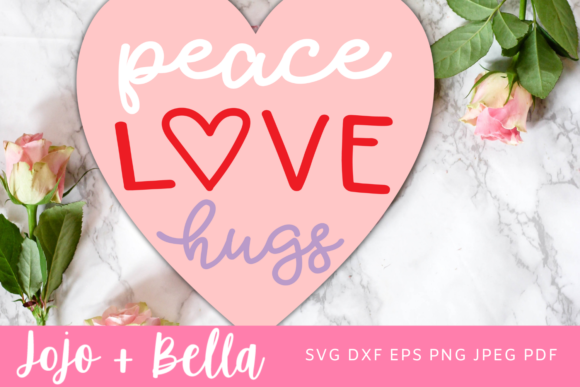
First impression? It breathes. The layout is soft but intentional—rounded letterforms, gentle spacing, a subtle farmhouse-inspired asymmetry that avoids cookie-cutter rigidity. “Peace,” “Love,” and “Hug” aren’t stacked like bullet points; they nest together like folded arms—intimate, grounded, unhurried. That’s rare in Valentine’s Day graphics, which too often lean into glitter, hearts-on-steroids, or overly cutesy fonts. This one feels like a hug you can *stitch*—not just print.
Where It Lives Best: Real Projects, Real Fabric
I tested Peace Love Hug Svg, Valentine s Sign SVG on a natural linen tea towel first—medium-weight, slightly textured, no stretch. Paired with matte cotton thread (ecru on oat, then navy on cream), it read beautifully: clean satin stitch outlines, balanced fill areas, no overcrowding. It’s not a dense machine embroidery design—it doesn’t need to be. That works in its favor for holiday embroidery on kitchen linens, nursery decor, or small-batch embroidered patches meant for denim jackets or backpacks.
For custom apparel, I scaled it to 4.2" wide and stitched it on a midweight unisex sweatshirt. The curves held. No puckering. No skipped stitches—even across the slight seam ridge at the shoulder yoke. That tells me the vector paths are smooth, not jagged or over-complicated. On baby embroidery? Yes—but only on stable fabrics like interlock knit (with tear-away + cut-away stabilizer combo). Avoid thin jersey or ribbed knits unless you’re confident in your hooping and tension control.
It shines brightest as a tote bag design or pillow cover focal point. The phrase has rhythm and warmth without demanding attention—it invites touch, not scrutiny. That makes it ideal for small shop products where branding leans into calm, inclusive, heartfelt energy—not loud or trendy.
Where to Pause—and Why
This isn’t a one-size-fits-all embroidery file. Its charm lives in simplicity, so don’t force it where detail would drown: avoid hoops smaller than 4"x4" unless you’re willing to simplify or rework letter spacing manually. Tiny corners in the “g” or “h” may feather or blur on ultra-fine fabrics like silk or lightweight rayon challis—test first.
On dark fabric? It reads well—but only if your thread color contrast is intentional. A light gray satin stitch on charcoal won’t pop like a crisp white or buttercream. Likewise, avoid layering it directly over seams, pockets, or curved surfaces like cap fronts unless you’ve digitized or adjusted the design for distortion compensation. As-is, it’s optimized for flat, stable surfaces.
And while it’s labeled as a Cricut SVG and laser cut file, remember: SVG ≠ embroidery file. If you’re using it for machine embroidery, confirm whether it’s been digitized—or if you’ll need to convert and stabilize it yourself. Many crafters assume “SVG” means “ready to stitch.” It rarely does. Always verify before cutting or hooping.
What It Does for Your Craft Business
For Etsy sellers and handmade shop owners, Peace Love Hug Svg, Valentine s Sign SVG offers quiet professionalism. It doesn’t scream “sale”—it whispers “thoughtful.” That builds trust. Customers browsing personalized gifts or boutique merchandise respond to authenticity, not flash. A sweatshirt with this stitched cleanly on the chest says “made with care,” not “mass-produced discount graphic.”
That translates directly to perceived value. I’ve priced similar finished products between $48–$68—not because of labor alone, but because the design supports the story: slow love, real connection, everyday kindness. It fits Galentine’s Day, Valentine’s Day, and even post-holiday gifting (think: “still hugging after February 14”). That versatility extends shelf life—no frantic seasonal pivots needed.
Practical Designer Notes You Can Use Today
- Always test on scrap fabric first—especially if stitching on textured weaves or blends. Linen, canvas, and medium-weight cotton behave differently than polyester or performance knits.
- Check stitch density visually before final hooping. Overly dense fills trap heat and distort fabric; too-light runs lack definition. This design errs toward balanced, but lighting and thread weight change perception.
- Review small details in black-and-white mockups. What looks soft on screen may vanish in thread—especially inner curves or fine joins between letters.
- Use proper stabilizer: medium-weight cut-away for knits, tear-away for stable wovens, and a light topping for fuzzy fabrics like terry cloth or fleece.
- Confirm licensing before selling finished items or bundling the file as part of your digital embroidery file collection. “Suitable for cutting your own vinyl, iron-on transfer or in” suggests personal and small-batch commercial use—but verify scope with the seller.
- Compare light/dark fabric backgrounds in your design software before sending to stitch. A warm beige thread might glow on navy but disappear on chocolate brown.
At its core, Peace Love Hug Svg, Valentine s Sign SVG isn’t about perfection—it’s about presence. It lands softly, holds meaning without pretense, and stitches with honesty. That’s why it works for baby embroidery, holiday embroidery, and commercial embroidery alike: it respects the hand behind the hoop and the heart behind the gift. In a category full of Crafts and Graphics that shout, this one listens—and then replies with thread.