Xoxo and Heart SVG
A Warm, Simple Gesture — But Does It Stitch Well?
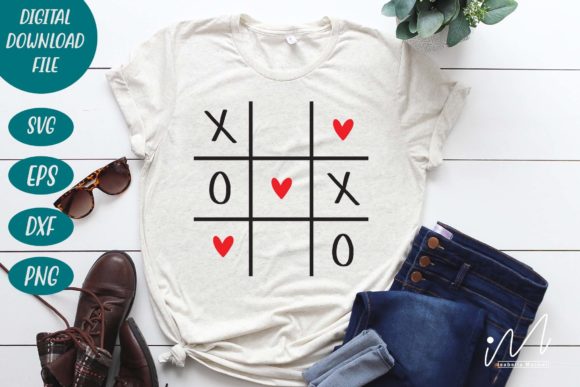
As someone who’s stitched hundreds of designs onto everything from baby onesies to boutique aprons, I opened Xoxo and Heart SVG expecting something soft, sincere, and ready for real-world use. And it delivers — but not without nuance. The phrase “xoxo and heart” is inherently tender and timeless, making it ideal for personalized gifts, nursery decor, or small-batch apparel. Visually, it’s clean and centered: lowercase letters with a modest heart nestled between “xoxo” and “and.” No frills, no excessive flourishes — just gentle rhythm and balanced spacing. That simplicity is its strength, especially for embroidery.
Fits Naturally Into Everyday Handmade Projects
I tested Xoxo and Heart SVG as the focal point on a natural linen tote bag — a staple for craft fairs and Etsy shops. At 3.5 inches wide, it stitched cleanly with satin-stitched outlines and light fill stitches in the heart. Customers respond well to this kind of understated sentiment; it feels personal without being cloying. It also worked beautifully on a lightweight cotton sweatshirt (medium-weight stabilizer, 60–70 wt thread), where the letterforms stayed crisp and the heart retained shape after washing. For baby embroidery — think onesies or burp cloths — the design’s open spacing avoids dense stitch clusters that can stiffen delicate fabrics.
It’s equally at home on tea towels, pillow covers, and holiday gift tags. As a digital embroidery file, it scales smoothly across sizes, which matters when you’re prepping both a tiny 1.75-inch version for a cap brim and a bold 4.5-inch layout for a kitchen towel. Because it’s delivered in SVG, DXF, EPS, and PNG (transparent), you can easily adapt it for laser-cut wood accents, iron-on transfers, or printable mockups — useful if you’re building product listings or social media previews for your craft business.
Where Caution Is Needed — Not Every Fabric or Fit Is Equal
That said, Xoxo and Heart SVG isn’t universally forgiving. On highly textured fabrics like bouclé or thick terry cloth, the fine interior curves of the lowercase “a” and “o” can blur during stitching unless you reduce stitch density or add a tear-away + cutaway stabilizer combo. Stretchy knits — think lightweight jersey tees — require careful hooping and a light tear-away; otherwise, the “xoxo” spacing can distort slightly under tension.
Small hoop sizes (under 4×4 inches) demand attention too. If you’re planning a cap or curved surface application, test the heart’s proportions first — it sits low in the baseline, so tight curvature may compress the bottom curve. Also, avoid placing it near seams or darts without testing: the subtle kerning between “xoxo” and “and” can shift visually when fabric pulls.
Dark fabric? No problem — but only if you choose high-contrast thread colors. A pale pink heart against navy cotton reads warmly; a light gray “xoxo” on black can fade into the background unless you adjust fill density or add an outline stitch. Always check your design in black-and-white mockups before finalizing — it reveals contrast issues faster than color previews ever will.
What This Design Says About Your Brand — and Your Customers’ Trust
Using Xoxo and Heart SVG thoughtfully signals care, consistency, and quiet confidence — traits handmade customers value deeply. It doesn’t shout. It invites. That makes it perfect for boutique branding, wedding favor tags, or “just because” embroidered patches sold alongside greeting cards or subscription boxes. When used on a custom embroidered pillow cover for a new mom, it lands as heartfelt, not generic. On an Etsy listing, it supports storytelling — “stitched with love,” “designed for everyday tenderness.”
But authenticity hinges on execution. A poorly stabilized or mis-scaled version undermines professionalism fast. Customers notice when letter spacing collapses or the heart looks squashed — it reads less like craftsmanship and more like haste. That’s why I always treat Xoxo and Heart SVG as a starting point, not a finish line: tweak spacing for your fabric, adjust stitch types based on texture, and preview how it reads at arm’s length, not just on-screen.
Practical Designer Notes Before You Stitch
- Test first — Run it on scrap fabric matching your project’s weight and stretch.
- Check thread color contrast — Especially for small text areas and the heart’s interior curve.
- Review stitch density — Lighter fills work better on baby clothes and towels; denser satin may be needed for caps or patches.
- Confirm hoop size compatibility — Measure your largest intended version against your machine’s max hoop dimensions.
- Inspect small details — Zoom in on the “x” crossbars and heart’s top curve — they’re delicate but hold up well if digitized cleanly.
- Try black-and-white mockups — Helps assess visual weight and legibility before stitching.
- Compare light vs. dark backgrounds — Some thread blends behave differently on contrasting fabrics.
- Use proper stabilizer — Medium-weight cutaway for knits, tear-away for stable wovens, hybrid for textured surfaces.
- Verify licensing — Since this is a digital embroidery file intended for commercial use, confirm whether resale of finished products or digital assets is permitted.
Final Thought: A Quiet Design With Real Utility
Xoxo and Heart SVG won’t dominate a trade show booth — and it shouldn’t. Its power lies in reliability, warmth, and quiet versatility. It fits seamlessly into craft business workflows, whether you’re embroidering 10 baby blankets for a local boutique or building a cohesive set of holiday embroidery files for your Etsy shop. As a Graphics asset in the Crafts category, it earns its place not through flash, but through thoughtful, repeatable performance. Just remember: even the simplest sentiment deserves careful stitching.