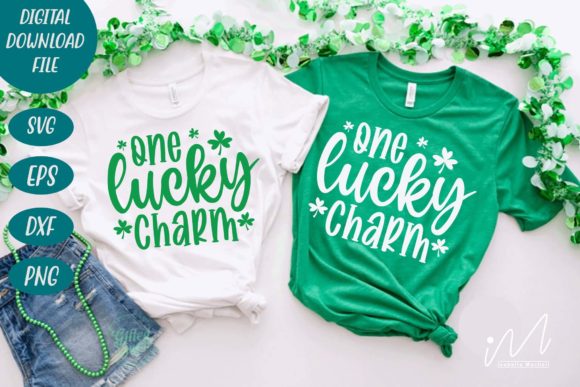
One Lucky Cousin SVG: Crafts & Graphics for Local Branding
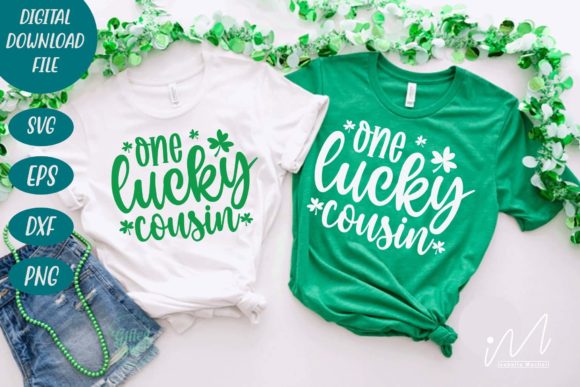
As a brand designer who’s helped over 70 small businesses refine their visual identity—from artisanal candle makers in Portland to family-run bakeries in Nashville—I recently evaluated One Lucky Cousin SVG for a real-world project: rebranding a seasonal line of hand-poured soy candles sold at local farmers’ markets and indie boutiques. My first impression? It’s warm, gently nostalgic, and quietly confident—not flashy, but full of personality. The script-based lettering feels handmade yet polished; the subtle decorative flourishes suggest celebration without leaning into kitsch. It reads as friendly, approachable, and authentically human—ideal for businesses rooted in community, tradition, or personal storytelling.
A Graphic Design Asset That Speaks Before You Do
This design with the quote “One Lucky Cousin” carries an inherent emotional tone: warmth, shared joy, familial pride. It doesn’t scream—it smiles. That makes it especially effective for local business branding where trust is built through relatability. For a small-batch skincare brand launching a limited-edition holiday set, One Lucky Cousin SVG became the centerpiece of hang tags and thank-you cards—softening the unboxing experience while reinforcing brand voice. It also worked beautifully as a decorative accent on product mockups used across Instagram Stories and Pinterest pins, helping the brand stand out in crowded feeds without sacrificing cohesion.
Where This SVG Design Adds Real Business Value
In practical terms, One Lucky Cousin SVG functions best as a flexible graphic design asset—not a logo replacement, but a brand amplifier. Here’s how it strengthened our candle client’s packaging design and marketing visuals:
- Product labels: Used as a secondary brand element beside the primary logo on 2 oz jar labels—adding charm without cluttering essential info like scent name or ingredients.
- Packaging accents: Silhouetted in gold foil on kraft paper gift boxes, creating tactile contrast and shelf appeal at craft fairs.
- Social media graphics: Layered over lifestyle photos in Canva templates to create consistent campaign banners for “Cousin Christmas” promotions.
- Printable design: Adapted into a festive border for printable recipe cards included with holiday orders—deepening customer connection through shared tradition.
- Seasonal campaign visuals: Scaled and recolored for window decals, market booth signage, and email headers—keeping the campaign visually unified across touchpoints.
Because it’s delivered in SVG, DXF, EPS, and transparent PNG formats, we could adjust stroke weight for laser-cut wood tags, convert cleanly to embroidery for aprons, and ensure crisp rendering on both web and print. That versatility directly supports stronger first impressions, better product recognition, and more consistent brand identity—all critical for small business branding competing against mass-market noise.
Smart Usage Boundaries for Professional Branding
While One Lucky Cousin SVG shines in expressive, human-centered contexts, it’s not universally applicable. We avoided using it in areas demanding strict hierarchy or neutrality: ingredient-heavy food labels (where clarity trumps charm), legal disclaimers on back-of-pack, or minimalist luxury branding that relies on negative space and restraint. It also risks visual competition when placed over busy backgrounds or alongside dense typography—so we always tested it against actual label layouts before finalizing.
Crucially, it shouldn’t replace core brand identity elements. It’s not a logo design substitute—but rather a supporting cast member in your brand identity system. Think of it as a signature flourish: meaningful, memorable, but never dominant.
What Every Small Business Owner Should Test Before Launch
Before committing this graphic design asset to physical products or public-facing marketing visuals, here’s what I recommend every local business owner, packaging designer, or creative entrepreneur verify:
- Preview it in black and white—does it retain legibility and charm on monochrome packaging or stamps?
- Test it at actual label sizes (e.g., 1.5” x 1.5”)—does the script remain readable when scaled down?
- Layer it over your brand colors—does it harmonize with your palette, or clash with key hues?
- Compare it side-by-side with competitor packaging—does it differentiate your product or fade into sameness?
- Check PNG transparency—does the cutout align cleanly with background textures or gradients?
- Inspect SVG paths in Illustrator—can you easily adjust spacing, simplify strokes, or isolate letters for custom adaptations?
- Pair it with your brand fonts—how does it sit beside serif, sans serif, script, and handwritten typefaces? Does it enhance or distract?
- Confirm commercial licensing—this is non-negotiable for any business branding, product label, or physical good intended for resale.
Why This Fits Handmade Businesses—and Why It Doesn’t Fit All
One Lucky Cousin SVG excels in contexts where authenticity, story, and sentiment drive purchase decisions: children’s product brands celebrating family bonds, boutique stores curating heirloom-style goods, florists building emotional narratives around gifting, or food businesses highlighting generational recipes. Its strength lies in its ability to signal belonging—not exclusivity. That makes it powerful for small business branding rooted in relationship, not just aesthetics.
But it’s less suited for formal corporate branding, medical or technical product lines, or ultra-minimalist luxury positioning. If your brand voice is “quiet confidence,” this asset may feel too effusive. If it’s “joyful connection,” it lands perfectly.
Final Thought: A Tool for Human-Centered Branding
In an era where consumers increasingly choose local, handmade, and values-driven businesses, One Lucky Cousin SVG isn’t just another clipart download—it’s a thoughtful, emotionally intelligent design asset. When used intentionally—as part of a considered packaging design system, integrated into social media graphics with purpose, or adapted into printable design for tangible customer moments—it helps small businesses communicate warmth, memory, and meaning. For creative entrepreneurs building real local brands, that kind of resonance isn’t decorative. It’s strategic.