One Lucky Mimi SVG: Crafts & Graphics for Joyful Branding
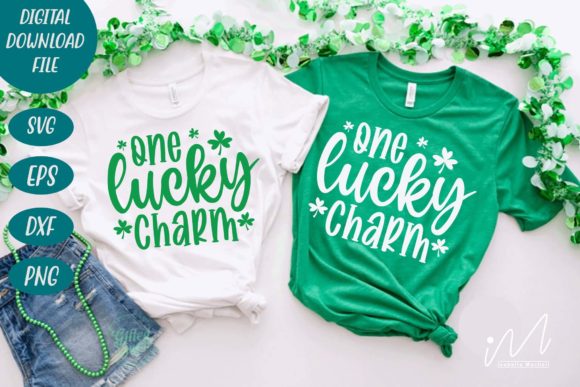
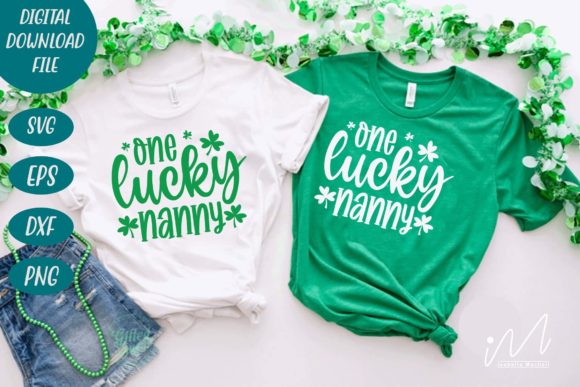
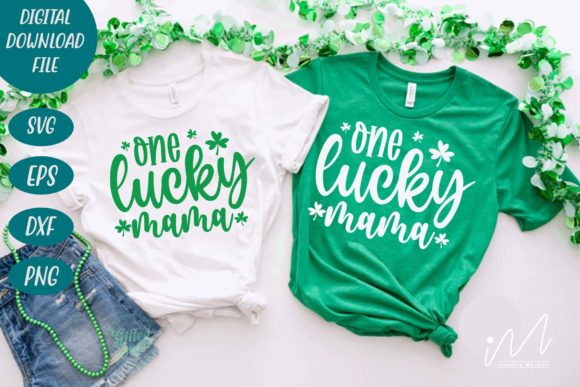
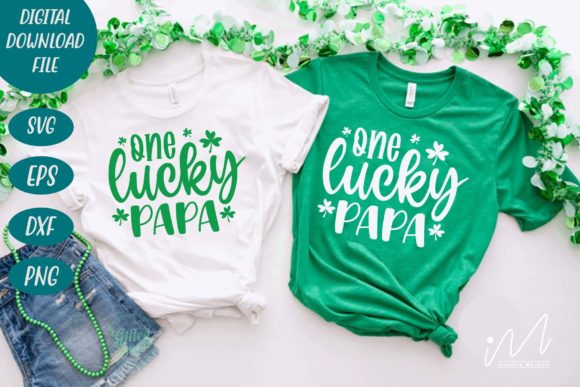
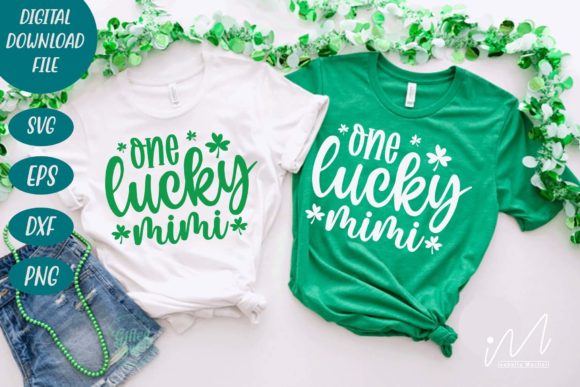
As a graphic designer who’s built brand identities for handmade businesses, seasonal Etsy launches, and local boutique packaging over the past 12 years, I opened One Lucky Mimi SVG expecting whimsy—and got something more nuanced: a warm, hand-drawn charm that lands somewhere between nostalgic greeting card and modern printable design. It’s not just text in a script font; it’s a graphic design asset with personality—curved baseline, soft weight transitions, and subtle bounce in the letterforms that makes “One Lucky Mimi” feel like a whispered inside joke rather than a slogan.
A First Impression That Fits Real Client Work
This isn’t a sterile vector—it breathes. The quote feels personal, intimate, and intentionally imperfect: slight irregularities in stroke width, gentle tapering on terminals, and open counters invite readability without sacrificing character. For a client project—say, a spring-themed candle line called *Lucky Mimi Co.*—this SVG immediately sets a mood: approachable, feminine but not fussy, handmade but not amateurish. It leans into the emotional core of small business branding: authenticity over polish, warmth over precision.
Where One Lucky Mimi SVG Shines in Practice
In real-world use, One Lucky Mimi SVG performs exceptionally well across multiple touchpoints:
- Product mockups: Stacked on ceramic mugs, woven tote bags, or kraft-label jars, it adds instant visual cohesion—especially when paired with neutral palettes or botanical accents.
- Social media graphics: As a hero element in Instagram carousels or Pinterest pins, it anchors seasonal campaigns (“Spring is Lucky!”) with emotional resonance—far more memorable than generic sans-serif quotes.
- Cricut projects & sticker design: With clean vector paths (confirmed in Illustrator), it cuts crisply at 3"–8", holds detail in vinyl, and scales beautifully for layered decals or wall quotes.
- Printable design & editorial layouts: Used as a decorative header in digital planners or wedding welcome guides, it elevates otherwise minimal templates without overwhelming content hierarchy.
- Packaging design: When placed subtly on belly bands or thank-you tags, it reinforces brand voice—ideal for subscription boxes or gift sets targeting joyful, self-affirming messaging.
It also integrates seamlessly into Canva templates, sublimation design, and t-shirt design workflows—particularly where clients want to avoid stock-looking typography. Its organic rhythm contrasts effectively with structured sans-serifs (like Montserrat or Inter) or grounded serifs (such as Lora), making it a strong supporting element in multi-font systems.
Where Caution Is Warranted
Like any expressive illustration or clipart-adjacent asset, One Lucky Mimi SVG has natural boundaries. It loses legibility below 1.5", especially in low-contrast settings—so avoid using it as fine print on product labels or tiny app icons. In crowded layouts (e.g., festival flyers packed with dates, vendors, and sponsors), its personality can compete rather than complement. And while it enhances handmade business identity, it doesn’t suit corporate rebrands, law firm stationery, or B2B SaaS dashboards—its emotional tone is too specific.
Crucially, it shouldn’t be dropped onto busy photographic backgrounds without testing. That delicate transparency in the included PNG Transp version needs sufficient contrast—run quick black/white previews to verify edge clarity before finalizing packaging design or web design assets.
Designer Notes You Can’t Skip Before Client Use
Before adding One Lucky Mimi SVG to a commercial project, here’s my checklist:
- Verify file integrity: Open the SVG in Illustrator—check for stray anchor points, overlapping paths, or embedded rasters that could break Cricut or Silhouette software.
- Test scalability: Zoom to 400% and 25%—does the letter “M” retain shape? Does spacing collapse at small sizes?
- Confirm commercial license: This is non-negotiable. Ensure the commercial license explicitly covers your client’s use case—especially for print-on-demand, Etsy product listings, or merch resale.
- Assess format flexibility: The inclusion of DXF and EPS means broader compatibility with laser cutters and older design suites—valuable for crafters and makers beyond Adobe users.
- Compare font pairings: Try it beside handwritten fonts (for consistency), display fonts (for contrast), and clean sans-serifs (for balance). It works best when it’s the *only* expressive element—not one of three competing scripts.
- Mock it up, don’t just preview it: Drop it onto real product mockups—a textured linen bag, matte mug, or recycled paper tag—to gauge how texture and material interact with its curves.
Final Verdict: A Strategic Creative Asset, Not Just Clipart
One Lucky Mimi SVG isn’t filler. It’s a deliberate tonal tool—one that helps designers solve real problems: building emotional connection for lifestyle brands, differentiating handmade business visuals in saturated markets, and adding warmth to otherwise functional marketing visuals. When used intentionally—as a focal point in a digital product bundle, a signature accent in an editorial design series, or the heart of a sticker design collection—it strengthens brand consistency and audience engagement far beyond what generic quotes achieve.
For crafters, Cricut users, and small business owners building their own brand identity, it’s a shortcut to visual trust. For professional designers managing client expectations, it’s a reliable, licensable, production-ready design asset that delivers mood, scalability, and versatility—without requiring custom illustration time. Just remember: its strength lies in specificity. Use it where joy, luck, and gentle personality are part of the brief—and you’ll find One Lucky Mimi SVG earns its place in your next creative marketplace project.